Hybrid Models Merging Virtual Practice Sessions with Physical Competitions for Card Enthusiasts Across Austria's Capital Venues
Drew Schulz · Aug 25, 2026
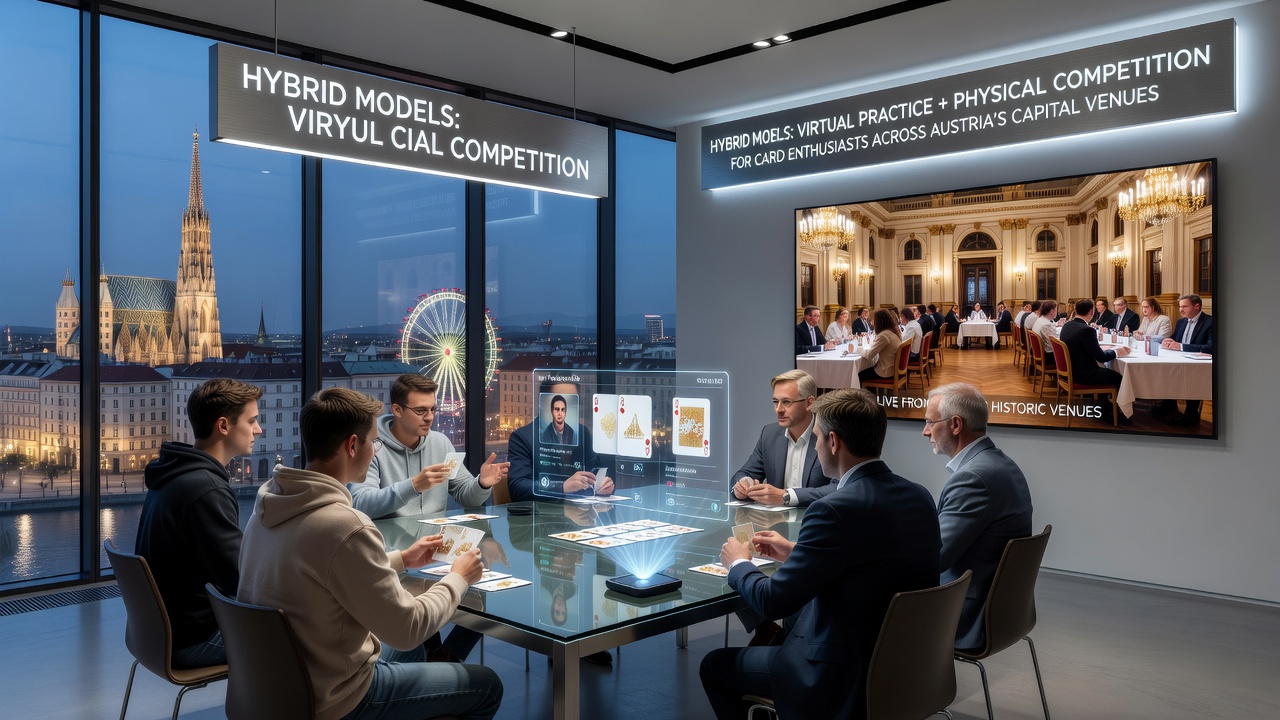
Hybrid Models Merging Virtual Practice Sessions with Physical Competitions for Card Enthusiasts Across Austria's Capital Venues
Venues across Vienna have integrated virtual practice platforms with in-person tournaments for card games such as poker and bridge, creating structured pathways that allow participants to refine skills online before entering physical competitions at established locations in Austria's capital. These hybrid approaches combine digital simulations with live events at sites including the Vienna Card Club and similar facilities scattered through districts like Innere Stadt and Leopoldstadt. Data from industry reports shows steady growth in registered users on virtual platforms that feed directly into local calendars, with participation numbers rising between 2024 and 2026.
Virtual Practice Platforms and Their Integration
Online tools provide structured drills, hand analysis, and simulated matches that mirror the rules applied in Austrian venues. Participants log sessions on licensed platforms that track metrics such as decision speed and probability calculations, then transfer those records to qualify for physical brackets. Observers note that many Vienna-based organizers require a minimum number of verified virtual hours before granting entry to weekend events. This linkage reduces the learning curve for newcomers while maintaining competitive standards at tables set up in historic buildings and modern conference spaces alike.
August 2026 features several scheduled hybrid qualifiers where digital rankings determine seating at live finals held at multiple capital locations. Figures from the Austrian Federal Ministry for Digital and Economic Affairs indicate that hybrid formats accounted for approximately 35 percent of total card event entries in the first half of 2026. Those numbers reflect partnerships between software developers and venue operators who synchronize calendars through shared databases.
Physical Venues in Vienna and Event Structures
Established sites host weekly physical rounds that accept virtual qualifiers, creating a continuous circuit across the city. Locations range from dedicated gaming halls near the Danube Canal to hotel ballrooms in the city center that convert spaces for monthly tournaments. Organizers coordinate transport subsidies for players traveling from outer districts, and records show average attendance per event climbing from 120 participants in 2023 to 185 in mid-2026. Each venue maintains identical equipment standards, including standardized decks and timing systems, to ensure seamless transitions from virtual practice environments.
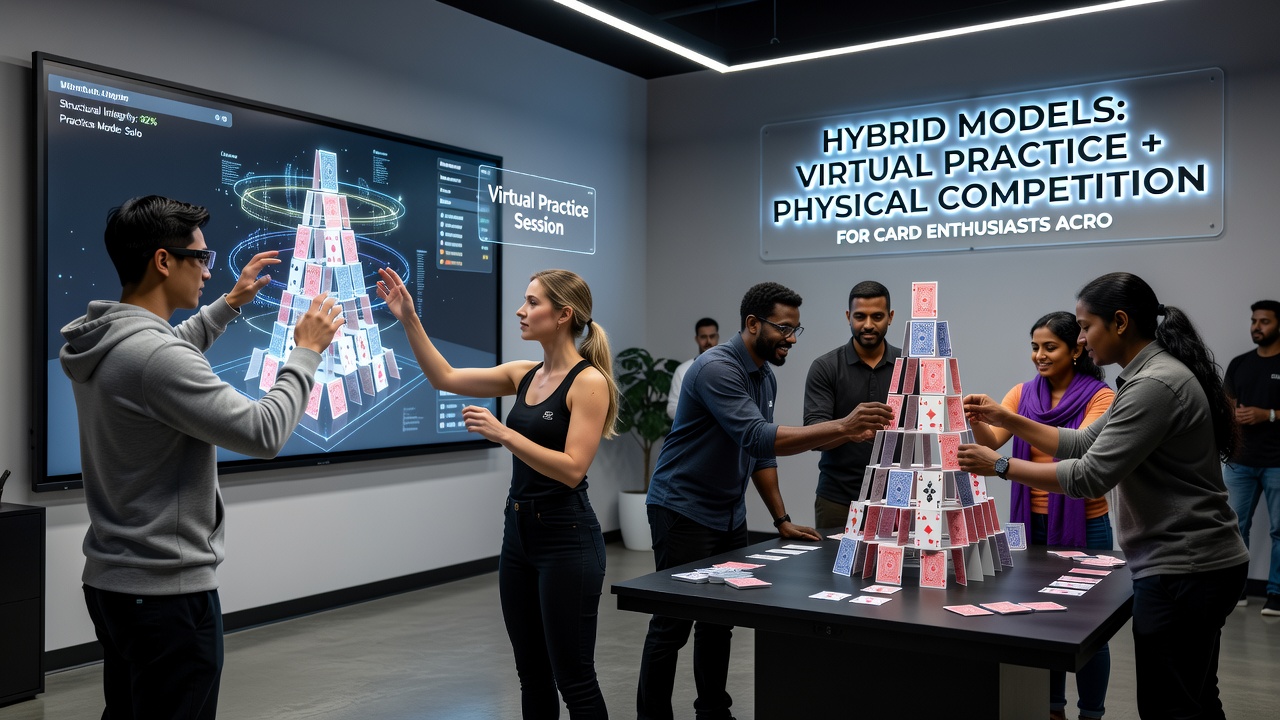
Research from the University of Vienna's Institute for Sports Science has documented how these merged models affect skill retention, with studies tracking performance improvements among players who combine both formats. The data reveals consistent patterns where virtual repetition correlates with faster adaptation during live rounds. Event calendars published by local associations list specific August 2026 dates for hybrid main events, including a multi-venue series that begins with online elimination rounds and concludes with final tables at three separate physical sites.
Regulatory Framework and Participation Data
Austrian regulations require clear separation between virtual practice tools and real-money physical competitions, a distinction enforced through licensing by the relevant federal bodies. European Commission digital market reports outline compliance standards that Austrian operators follow when linking online modules to live venues. Participation statistics collected by the Austrian Gaming Association show that hybrid participants represent a growing segment, with age demographics spanning 21 to 55 and balanced gender distribution in recent seasons.
Additional figures from Statistics Austria demonstrate that card event tourism contributed measurable revenue to Vienna hospitality sectors during the 2025-2026 period. Hybrid models have extended reach to international visitors who complete virtual practice requirements remotely before traveling for physical stages. Venue operators report that these combined formats help maintain steady attendance even during traditionally slower summer months.
Technical and Logistical Coordination
Software interfaces now feed directly into venue registration systems, allowing automatic qualification checks at check-in desks. Technical teams at Vienna locations handle real-time synchronization so that virtual session histories appear on player profiles during physical events. Logistical planning includes staggered start times that accommodate both local residents and those arriving from other Austrian regions or neighboring countries. Records indicate that average event duration remains consistent whether participants enter through virtual or traditional routes.
Training workshops offered at several capital venues teach players how to translate virtual metrics into live decision-making, with sessions scheduled ahead of major August 2026 competitions. These workshops draw on datasets compiled from previous hybrid cycles, providing concrete examples of successful transitions between formats.
Conclusion
Hybrid models continue to shape card competition structures in Vienna by connecting virtual practice environments with physical venues throughout the capital. Participation metrics and regulatory alignments support ongoing expansion of these formats into 2026, with August events serving as key markers in annual calendars. Data from multiple sources confirms that the integration of digital and live elements creates measurable pathways for enthusiasts operating across Austria's capital venues.