Austria's Capital Witnesses Card Circles Cultivating Distinct Hold'em Variations via Hybrid Qualifiers That Merge Casino Evenings with Application-Driven Leagues
Vera Ludwig · Oct 5, 2026
Austria's Capital Witnesses Card Circles Cultivating Distinct Hold'em Variations via Hybrid Qualifiers That Merge Casino Evenings with Application-Driven Leagues
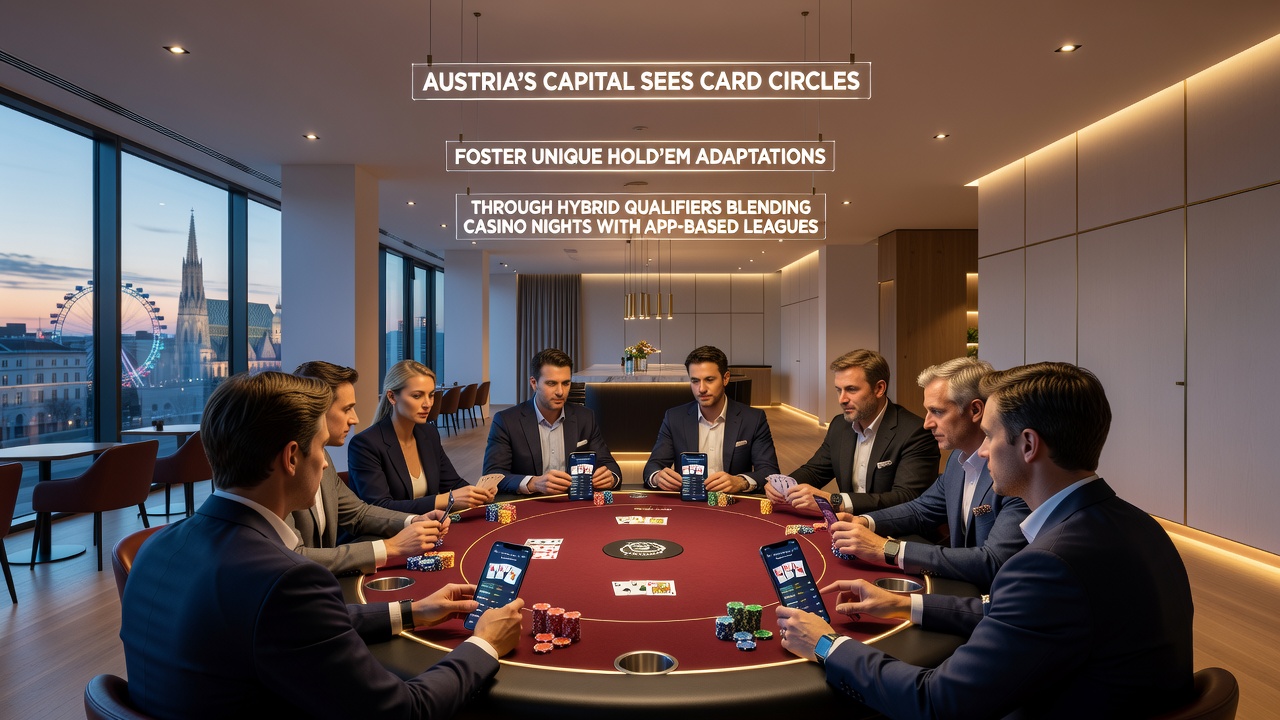
Vienna has long hosted active card communities that continue to shape Texas Hold'em through structured yet flexible formats, and recent developments show these groups integrating casino-based evenings with mobile application leagues to create hybrid qualification paths for larger events. Observers note that local circles coordinate weekly gatherings at established venues where participants earn points through in-person play while simultaneously advancing in companion apps that track performance across distributed matches.
Data from the Austrian Federal Ministry of Finance indicates steady growth in licensed gaming participation throughout the capital region, with hybrid models accounting for an increasing share of qualifier entries during 2025 and into 2026. These systems allow players to combine physical tournament results with virtual league standings, producing qualification criteria that blend traditional ranking methods with digital metrics such as win rates and session consistency tracked by the apps.
Integration of Casino Nights and Digital Platforms
Venues across Vienna host regular casino nights where standard Hold'em rules apply yet organizers introduce localized adaptations such as modified blind structures or side pots that reward specific hand combinations unique to the event series. Participants who attend these evenings upload verified results directly into linked mobile applications, which then calculate cumulative scores that determine advancement to regional finals or satellite entries. Research published by the University of Melbourne on digital-physical gaming convergence highlights similar patterns emerging across European cities, where app integration extends accessibility for players who cannot attend every live session.
App-based leagues operate on weekly cycles that mirror the rhythm of casino events, enabling users to join virtual tables during off-peak hours and accumulate points that count toward the same qualification pools as in-person results. Those who study these systems report that the hybrid approach reduces barriers for newer players while maintaining competitive integrity through identity verification and anti-collusion protocols built into the platforms. Figures from the European Gaming and Betting Association reveal that such combined formats have expanded overall engagement in regulated markets by facilitating smoother transitions between recreational and structured play.
Unique Hold'em Adaptations Emerging Locally
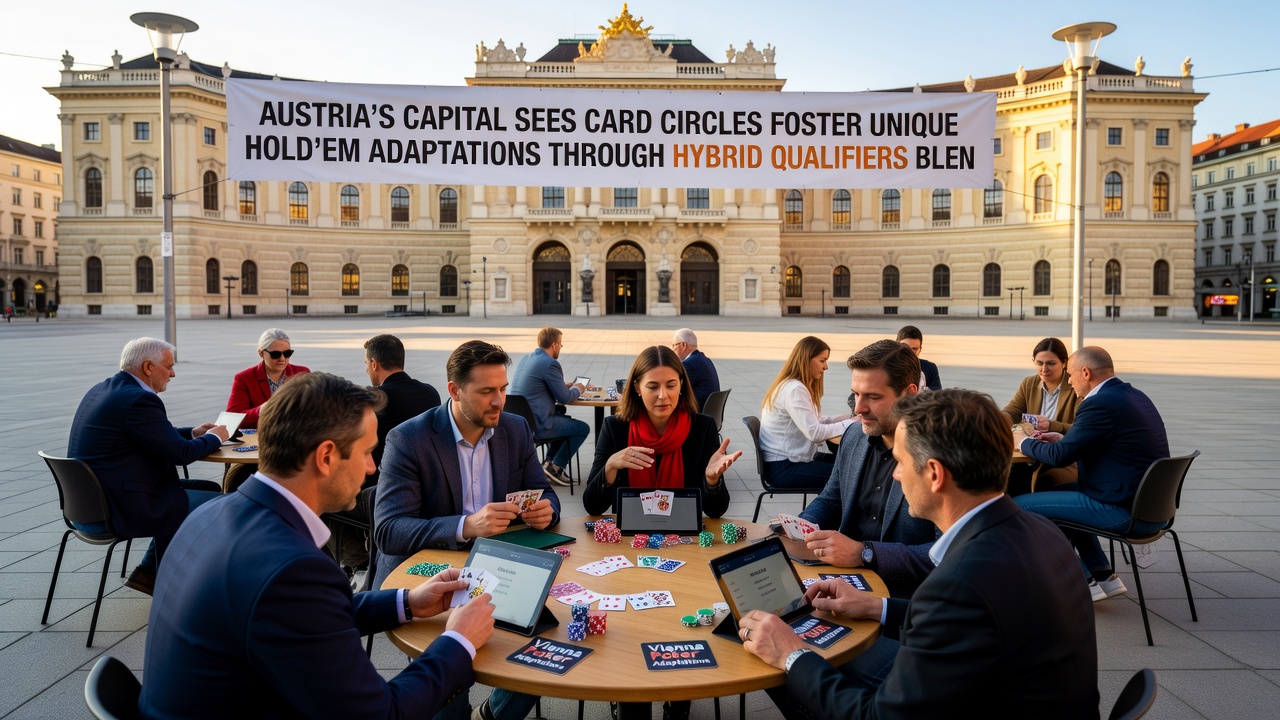
Card circles in the capital have begun experimenting with rule variations that reflect the hybrid structure itself, including qualifier-specific hand rankings that grant bonus points when certain community cards appear during both live and app-based segments. These adaptations encourage strategic flexibility because players must consider how decisions in one format influence overall standings across both environments. Organizers schedule these modified events on rotating themes, such as October 2026 showcases that align with seasonal promotions at major Viennese casinos while running parallel app leaderboards that reset monthly.
Community networks facilitate knowledge sharing through moderated forums attached to the apps, where experienced participants document successful approaches to the blended formats without revealing proprietary tactics. This documentation process supports consistent rule application across different venues and helps maintain fairness when qualifiers feed into larger tournaments. Evidence collected by regional gaming associations shows that cities adopting similar hybrids experience measurable increases in repeat participation rates compared with purely live or purely digital alternatives.
October 2026 Developments and Broader Context
Planning documents for October 2026 indicate expanded hybrid qualifier calendars in Vienna that incorporate additional casino partnerships and enhanced app features such as real-time leaderboards synchronized with live event feeds. These expansions build on existing infrastructure that already supports cross-format point transfers, allowing players to qualify through multiple routes rather than depending on single-event outcomes. Analysts tracking European poker trends note that such developments align with broader regulatory frameworks that encourage responsible innovation in licensed gaming environments.
Local leagues continue to refine their methods by analyzing participation data from previous cycles, adjusting qualification thresholds to balance accessibility with competitive depth. This iterative process ensures that adaptations remain responsive to player demographics while complying with oversight requirements from Austrian authorities. The resulting ecosystem supports both established regulars and emerging participants who enter through app pathways before progressing to physical casino nights.
Conclusion
Vienna's card communities demonstrate ongoing evolution in Hold'em formats by sustaining hybrid qualifiers that connect casino nights with app-based leagues, producing distinctive local adaptations documented through coordinated data collection and community resources. These systems operate within established regulatory parameters and continue to generate participation metrics that inform future scheduling decisions, including those planned for October 2026. The approach illustrates how physical and digital elements can coexist within structured qualification frameworks while preserving the core elements of Texas Hold'em play.